Understanding the DPOY Race: Davis, Wembanyama, and the Narrative
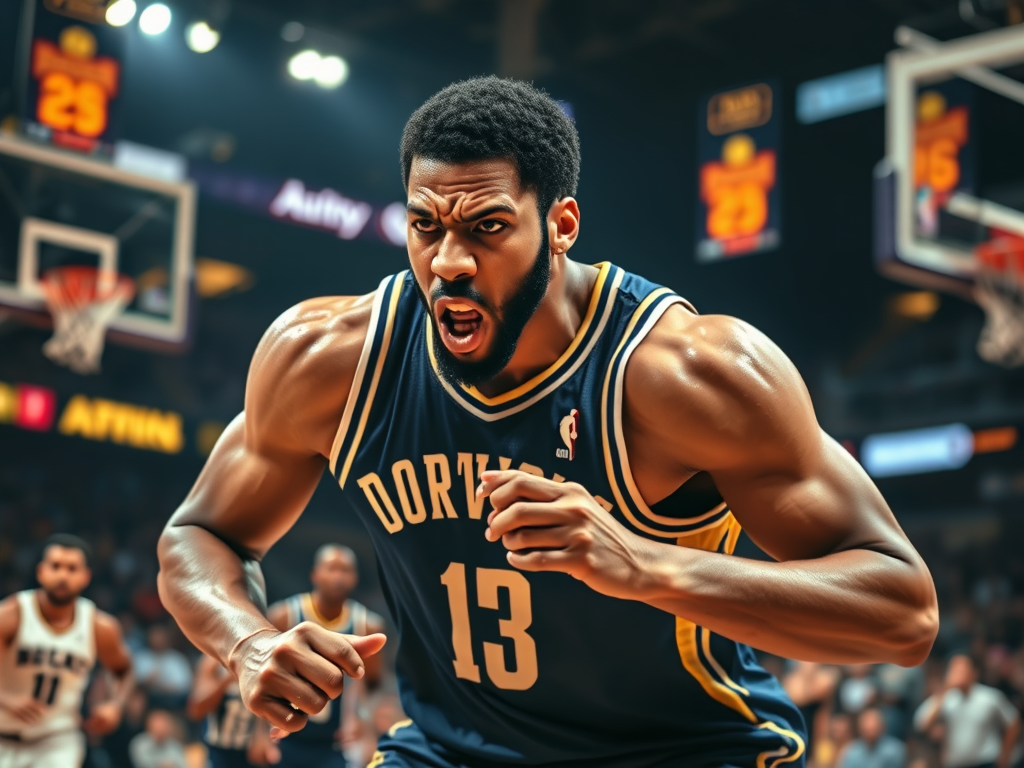
Los Angeles Lakers star Anthony Davis has found himself at the center of a heated debate surrounding the NBA’s Defensive Player of the Year (DPOY) award. Despite his consistent defensive dominance, Davis has expressed frustration over being overlooked for the prestigious honor, especially as rising star Victor Wembanyama has emerged as the frontrunner for the 2025 award. Davis’ comments have sparked conversations about the criteria for the DPOY, the role of narrative in award voting, and his enduring impact on the defensive end of the court.
Anthony Davis: A Defensive Force
Anthony Davis’ defensive prowess has been a hallmark of his game since he entered the league as the first overall pick in the 2012 NBA Draft. Known for his versatility, shot-blocking, and ability to guard multiple positions, Davis has been a nightmare for opposing offenses. Over the course of his career, he has consistently ranked among the league leaders in blocks and defensive win shares.
In the 2024-2025 season, Davis has once again been a defensive anchor for the Lakers. He is averaging 2.8 blocks and 1.3 steals per game, along with 11.2 rebounds, demonstrating his ability to control the paint and disrupt opposing offenses. His defensive impact goes beyond the box score, as his presence alters shot selection and deters drives to the basket.
Despite these contributions, Davis has yet to win a Defensive Player of the Year award, a fact that has become a sore point for the 30-year-old superstar.
Frustration Over Recognition
Following the latest round of DPOY predictions, Davis did not hold back his frustration. “I feel like my defensive impact speaks for itself,” Davis told reporters. “Every night, I’m out there protecting the rim, switching on guards, doing whatever it takes to help my team win. But it seems like the narrative always favors the younger guys or the flashier plays.”
Davis’ comments come as Victor Wembanyama, the 7’4” rookie sensation for the San Antonio Spurs, has become the favorite to win the DPOY. Wembanyama’s incredible shot-blocking ability and agility for his size have captivated fans and media alike, creating a wave of momentum for the 20-year-old phenom.
The Role of Narrative in Award Voting
The DPOY award has often been criticized for being influenced by narrative and popularity rather than purely by on-court performance. In Davis’ case, his consistently elite defense may be taken for granted, while newer and more exciting players capture the spotlight. Wembanyama’s candidacy, for instance, has been bolstered by his status as a generational talent and the media’s fascination with his unique skill set.
This dynamic is not new to the NBA. Many players, including perennial MVP contenders, have voiced similar frustrations about the subjectivity of award voting. The criteria for DPOY remain somewhat ambiguous, with voters often weighing statistical metrics, team success, and individual highlights differently.
Victor Wembanyama: The Rookie Phenom
Victor Wembanyama’s rise to prominence has been nothing short of spectacular. In his rookie season, the French big man is averaging 3.4 blocks and 1.1 steals per game, along with 10.5 rebounds. His ability to cover ground and contest shots both at the rim and on the perimeter has drawn comparisons to Hall of Fame defenders like Kevin Garnett and Hakeem Olajuwon.
Wembanyama’s defensive highlights—from swatting three-pointers to guarding multiple positions in a single possession—have gone viral on social media, further amplifying his case for the DPOY award. While his numbers are impressive, some analysts argue that his candidacy may be more about potential and hype than actual superiority over established defenders like Davis.
The Lakers’ Defensive Identity
Under head coach Darvin Ham, the Lakers have emphasized defense as a cornerstone of their identity. Davis has been the linchpin of this strategy, anchoring a unit that ranks among the league’s top five in defensive rating. His ability to switch onto guards, contest shots without fouling, and communicate with teammates has been instrumental in the team’s success.
LeBron James, Davis’ teammate and one of the game’s all-time greats, recently weighed in on the debate. “AD is the best defender in the league, hands down,” James said. “What he does night in and night out doesn’t always show up on the stat sheet, but we see it. His impact is undeniable.”
Advanced Metrics and Defensive Impact
While traditional stats like blocks and steals are often cited in DPOY discussions, advanced metrics provide a more comprehensive picture of a player’s defensive impact. Davis ranks near the top of the league in defensive rating, defensive box plus-minus, and opponent field goal percentage at the rim. These metrics reinforce the argument that Davis’ contributions go beyond flashy plays and highlight his ability to elevate the Lakers’ defense as a whole.
Wembanyama, too, excels in many advanced metrics, but his numbers are slightly inflated by the Spurs’ system, which allows him to play a free-roaming defensive role. Critics of Wembanyama’s candidacy point out that his team’s overall defensive rating is lower than the Lakers’, suggesting that Davis’ impact may be more significant in the context of team success.
The Broader Implications
The debate over Davis and the DPOY award reflects broader questions about how the NBA evaluates and rewards defensive excellence. Should the award prioritize individual statistics, team success, or a combination of both? How much weight should be given to intangible factors like leadership and experience?
Davis’ case also highlights the challenges faced by established stars in competing with rising talents. As the league continues to evolve, with younger players taking on prominent roles, veterans like Davis must contend with shifting narratives and changing criteria for recognition.
What’s Next for Davis?
Despite his frustration, Davis remains focused on helping the Lakers achieve their ultimate goal: winning another championship. The veteran big man has repeatedly emphasized that team success matters more to him than individual accolades. However, he’s also made it clear that he believes his contributions deserve acknowledgment.
As the season progresses, Davis will have more opportunities to strengthen his case for the DPOY award. High-profile matchups against other elite defenders and playoff-bound teams will provide a platform for him to showcase his skills on the national stage.
Conclusion
Anthony Davis’ frustration over the Defensive Player of the Year debate underscores the complexities of award voting in the NBA. While rising star Victor Wembanyama has captured the imagination of fans and media, Davis’ consistent excellence and leadership on the defensive end cannot be overlooked.
As the season unfolds, the conversation around the DPOY award will continue to evolve, with both Davis and Wembanyama making compelling cases for the honor. Regardless of the outcome, the debate serves as a reminder of the incredible defensive talent in today’s NBA and the enduring importance of recognizing excellence on both ends of the court.